
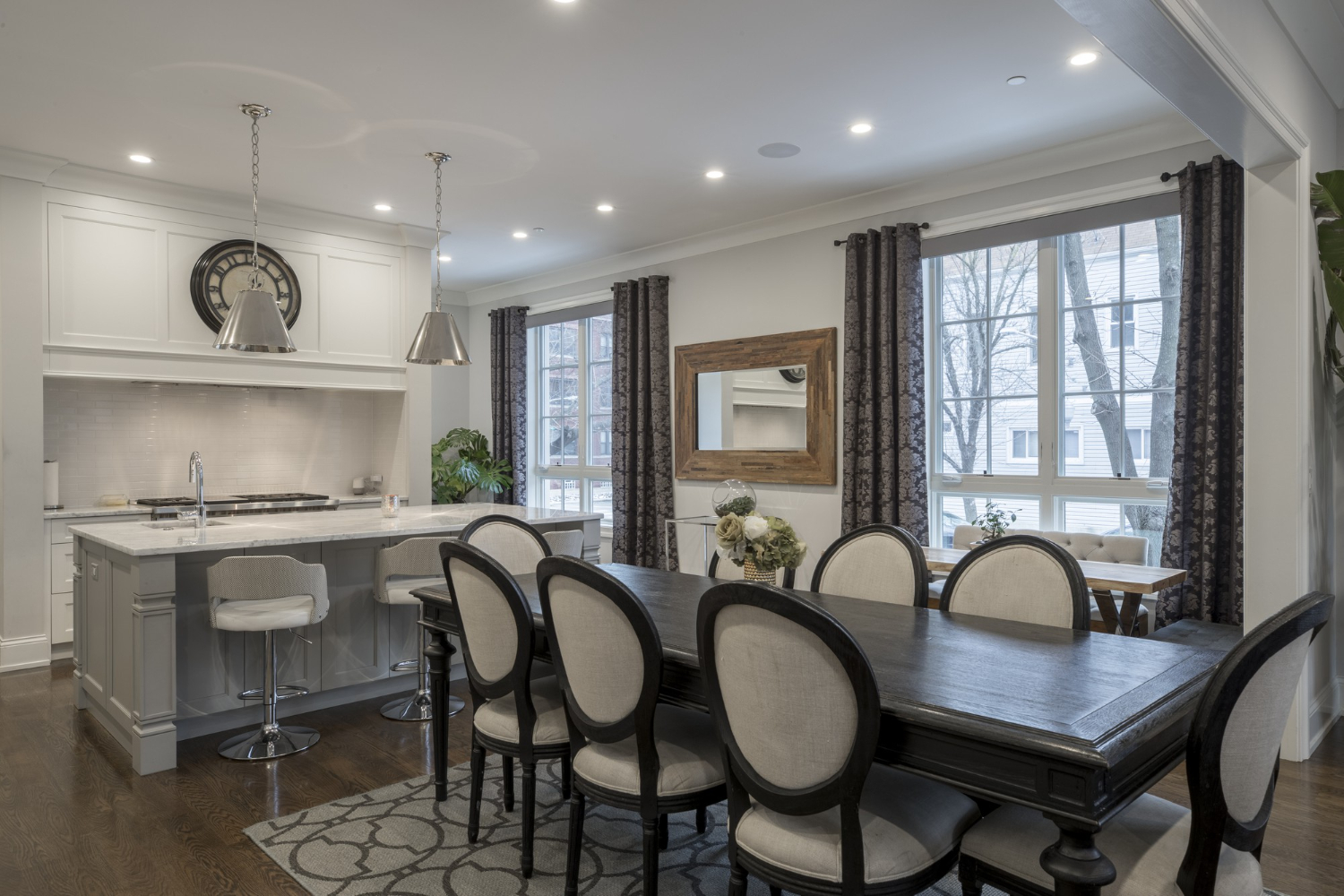
The way we light a room changes how it feels. Sometimes it’s obvious, like a bulb that’s too harsh or too dim. Other times, the lighting looks fine at first, but when you sit down or walk across the room, odd shadows pop up on the walls or ceiling. That’s where down lighting, when done right, can make all the difference.
Many homes across Singapore have compact floorplans or unusual features, such as narrow or awkward corners, low ceilings, or multi-use spaces. These setups make it harder to get lighting that looks smooth and steady. With the right approach, we can use down lights in Singapore homes to spread light more evenly and avoid those unwanted, uneven shadows.
Start with the Right Beam Angle
The angle of light that spreads from a fitting matters more than most people realise. Beam angle affects how the light moves through a room, fills corners, or creeps along the edges of walls.
- Wide beam angles are often best when we want even lighting. In living rooms, kitchens, or bedrooms, a light with a wider spread gives softer fill without hotspots. It helps cover more space without building harsh, bright spots that throw sharp shadows behind furniture.
- Narrow beam angles meanwhile, while great for accent wall features, can feel too focused in certain rooms. In lower ceilings or aisles, these lights tend to create cones of brightness with dark falloff around them. That’s where we might accidentally create a wall with stripes of shadows between fittings.
- Ceiling height links closely with how far apart we place down lights. For taller spaces, we can space fittings wider apart. In smaller rooms, they should sit closer so the light overlaps, smoothing out shadows and stopping any patches from being left in the dark.
Understanding beam angle is essential because an improper spread can result in wasted fittings or dark spots in your room. Wide beams can make a boxy flat feel warmer and more open, especially when paired with brighter surfaces. The right angles make all the difference, particularly in spaces where families gather or friends come together.
Fitting Placement to Room Shape and Function
Where the lights go matters just as much as how bright they are. Especially true in homes with angled walls or corner-heavy layouts.
- Rooms with open-concept layouts or odd shapes often need edge-to-edge lighting to stop one side from looking darker than the other. We avoid placing down lights too close to walls or corners, where the light could skim the surface and highlight every bump or uneven mark.
- Instead, we think about how people actually use the room. A worktop in the kitchen needs brighter, more focused light than the coffee table in the next space over. We line up fittings with these roles so the light supports what’s happening in that zone.
- To soften the spread and avoid hard shadows, we often add other types of lighting. Wall sconces, for example, are great for filling the middle height of a wall where down lights taper off. A tall floor lamp can gently light the corners that ceiling lights don’t quite reach. It’s all about layering, not relying on a single light source to do the work.
Each home has different activity zones: dining, relaxing, cooking, and working all benefit from tailored lighting that fits their needs. Keeping fixtures aligned with the room’s shape not only boosts comfort but also creates a clearer sense of order, making multifunctional spaces look more coordinated.
Choose Fixtures That Blend In and Work Hard
Design-wise, down lights don’t need to look like much. In fact, the best ones tend to disappear into the ceiling so the room feels clean and uncluttered.
- We often pick matte finishes like black or soft white trims so the fittings don’t catch the eye. These work especially well in modern or minimalist interiors where other colours are already doing the talking. A black trim on a white ceiling adds quiet contrast without taking over the space.
- In angled or oddly shaped rooms, adjustable gimbal lights are useful. These have a adjustable element that can tilt slightly, sending the light where it needs to go, for example, on a picture frame, a reading chair, or the centre of the floor.
- To make the room more comfortable, we often steer towards fittings with anti-glare covers. Some have baffles hidden inside while others use frosted lenses. These soften the glow and reduce eyestrain, especially at night when lighting levels change frequently.
From the Light Makers product range, we carry anti-glare LED down lights as well as adjustable gimbal models for targeted light in rooms with tricky layouts. These options are available in both round and square shapes, and come in finishes like matte black and white to suit a range of modern interiors.
Simple, understated fixtures work best if you want your lighting to serve the space while letting your décor stand out. By blending into the ceiling, down lights help create a seamless look and allow other features in the home to shine.
Avoiding Odd Shadows on Feature Walls or Decor
Decorative walls can look uneven under the wrong lighting. Hanging art or installing textured panels only works if the light supports those features, not fights with them.
- One common mistake is placing a downlight directly above a picture, which can cause a strong light spot at the top and a shadowed bottom edge. We try to offset fittings slightly so the light crosses the surface at a better angle.
- In narrow spaces like hallways or in long dining zones, we space fixtures at regular distances to keep the light even all the way across. For long tables, linear lights or a row of down lights work better than a single fitting trying to cover the full length. Round tables, on the other hand, often pair well with a single centred piece or a clustered ceiling light with wide beam coverage.
- When highlighting decorative pieces, we sometimes add smaller accent lights or wall washing fittings to balance the light from above. This keeps the features looking calm and considered, without strange light edges or hot spots.
In our experience, pairing down lights with accent lighting has helped clients in Singapore showcase custom feature walls, textured paint, or statement artwork without distracting shadow bands.
Making the most of unique features in your home requires planning and sometimes small shifts in spacing, but the pay-off is a room that highlights your personality and looks professionally arranged.
Lighting That Stays Steady in Singapore Homes
Lighting has to hold up in the local climate, especially with heat and humidity becoming part of the daily routine across Singapore.
- We use sealed LED options that block out moisture and keep internal parts cool. This helps stop flickering, discolouration, or early breakage, which can happen when fittings aren’t built to handle the environment.
- The choice of ceiling materials also plays a part. Some lights are better for plasterboard ceilings, while others need solid concrete mounts. Thinking ahead about how lights are mounted helps reduce wear over time.
- In bedrooms or shared spaces, combining a ceiling fan with an integrated light can help two problems at once. These dual-use fixtures keep the room cool and offer steady, soft overhead light, all from one piece. When the lights are designed to spread evenly, we avoid the usual weak spots you sometimes get from fan kits that aren’t built for balance.
Planning for Singapore's climate is just as important as choosing the right style. The right fittings mean less time spent on maintenance and more time enjoying the way your space feels.
Light That Looks Balanced Every Day
With everything working together, good beam angles, smart layout, and fittings that last, the lighting in a room starts feeling better without looking like it’s trying too hard.
Down lights don’t need to be loud to be effective. When placed with thought and paired with simple diffusers or trims that match the style, they give the kind of light we often don’t think about, but notice when it’s wrong.
A steady setup, built for the space, makes rooms feel more open and closer to natural daylight. The shadows stay soft, corners look lived-in, and the ceiling doesn’t draw attention unless we want it to. That’s the kind of lighting plan we aim for in every project, whether it’s a home in Singapore or a property elsewhere.
Planning your next lighting setup is easier when you can see how fittings perform in different spaces. Our range of down lights in Singapore features clean-lined designs, varied beam angles and ceiling-ready fittings. At Light Makers, we build with purpose and style, always keeping comfort in mind. Whether your project is a new build or a renovation, we’re here to help you achieve a balanced, welcoming atmosphere. Get in touch to discuss your ideas with us.